ORAL AND POSTER PRESENTATION
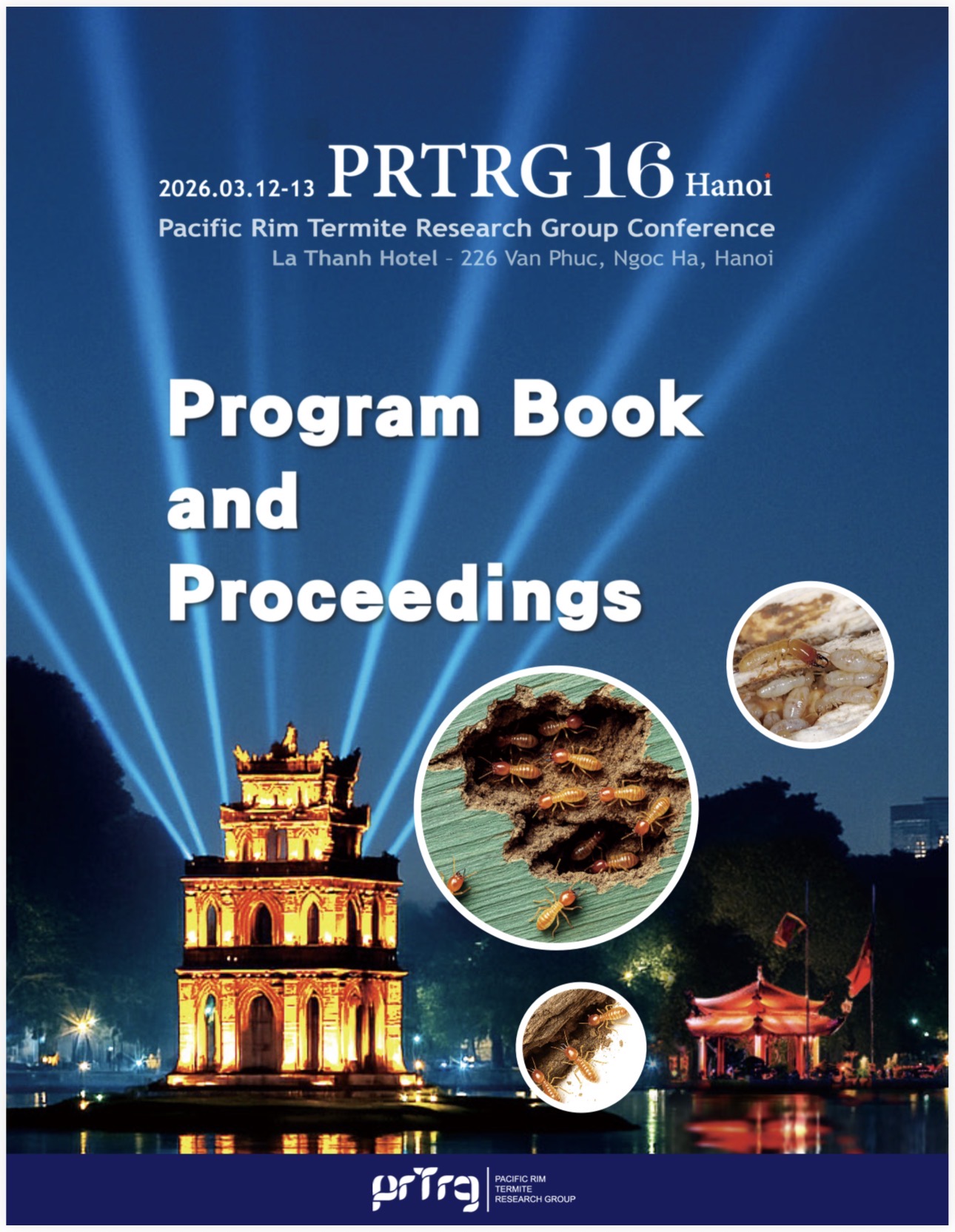
The objective of the conference is to provide a platform for the exchange of scientific and technical knowledge on termites among participants. The PRTRG Committee warmly invites the submission of papers on, but not limited to, the following topics:
- Termite management technologies
- Termite-resistant materials
- Bio-efficacy trials of new termiticides
- Challenges and issues in termite control
- Termite taxonomy
- Termite ecology
- Termite physiology
- Termites and climate change
- Wood protection against termites
- Any other topics related to termites
Two types of presentation, oral presentation or poster presentation are welcomed. Presenters are kindly requested to submit a 2-page paper (for oral presentation, preferably within 1000 words; page limit and word limit is not including references) or an abstract (for poster presentation, maximum of 250 words) by 15th December 2025 to the secretary general Dr. Veera Singham by email; . Acceptance will be communicated on or before 15th Jan 2026.
Please state clearly your full name, affiliation, contact details, and type of preferred presentation when submitting your documents in the email.
Preparation for oral presentation
1. Template of a 2-page paper is provided below and please carefully follow the format (margins, font sizes, line spacing, and others). A paper should be prepared with single line spacing, font in Times New Roman, in standard page margin. The content should include a title, name of author/s, short address, email of the principal author, introduction, materials and methods, results and discussion, and conclusion. You may download the abstract template
2. A single table, graph, figure or photograph (300dpi) is allowed per paper. Table, graph, figure or photograph need to be sent as a separate file not with the text.
3. References should be listed in alphabetical order, cited by author and year in the text (not numbered). List multiple references from the same author chronologically. Add an alphabetic designator to the year in the in-text and end reference when there are references from the same author in the same year, for example: (Johnson 2023a, 2023b).
Sample reference styles
Journal Article
Author surname(s) and initial(s), et al. Publication year. Article title. Abbreviated Journal Title. Volume number:start page-end page. [stable doi URL] or DOI:doi
Schmidt LS, Schmidt JO, Rao H, et al. 1995. Feeding preference and survival of young worker honey bees (hymenoptera: Apidae) fed rape, sesame, and sunflower pollen. J. Econ. Entomol. 88:1591-1595.
Book
Author surname(s) and initial(s), et al. Publication year. Editor(s). Book title, edition. Publisher.
Gravena S, Sterling W, Dean A. 1985. Abstracts, references, and key words of publications relating to the cotton worm Alabama argillacea (Huebner), (Lepidoptera: Noctuidae).Entomological Society of America.
Section/Chapter in Book
Author surname(s) and initial(s), et al. Publication year. Title of Chapter in an Edited Book. In: Editor(s). Book Title. Edition. Publisher. Pages.
4. All text matters is recommended to be prepared using MS Word.
5. Every paper will be given 15-min for an oral presentation once accepted.
6. Preparing presentation slides using Microsoft Power Point presentations is recommended.
7. Presenters are strongly advised to carry their presentation slides in a portable storage device, such as USB key, to the conference venue and present it to the floor manager before the start of their respective session.
POSTER PRESENTATION
Poster should be self-explanatory. Author/s should explain details and discuss particular points raised by the visitor. Presentation by poster should be visually appealing. Poster should include diagrams and charts, tables and schemes, graphs, photographs, and briefly written texts sections like, abstract, introduction, methods, results, conclusions, and references. English is the official language for poster preparation. The standard size for posters is A0, which is 84.1 cm x 118.9 cm. Any size close to this is acceptable.
VISA REQUIREMENT
Participants will be arriving in Hanoi Airport – Noi Bai International Airport (HAN). Please check supporting documents required for visitor visas to Vietnam. For those needing invitation letters to apply for VISA, please contact the Conference Host/Local Organizer, Dr Veera Singham by email: secretary@prtrg.org
PRTRG Travel Fund
The PRTRG Travel Fund has been made available to young scientists since the third conference in Guangdong in 2006. The aim of the travel fund is to assist those who need financial support to participate in the biennial conference of the PRTRG. For the next TRG 16 Conference in Hanoi, PRTRG will grant five (5) travel funds amounting to USD1,000 each. Young researchers/scientists (Below 35 years old or within 5 years from PhD completion) and students (undergraduate/master/PhD program) who are working on termites in universities or research institutes could apply for the fund. Applicants are requested to present an oral presentation at the conference by submitting a 2-page full paper as described above. Expected financial support: round-trip flight ticket, accommodation fees for three nights’ stay. The maximum amount reimbursed to each recipient shall not exceed USD1,000. Airfare estimates should be filled in the online application form.
Travel Fund Application Form
Online application form https://forms.gle/6WUfXXxSDRAJFP9g9 and recommendation letter must be submitted by December 15, 2025. The recommendation letter MUST be emailed to the Secretary General, Dr Veera Singham by email; . by your country representatives listed in the following page. If there is no representative for your country, please contact the Secretary General directly. The results will be announced to the applicants by January 15, 2026.
List Of Country Representatives
CONTACT/INFORMATION
PRTRG Secretary General, Dr. Veera Singham at secretary@prtrg.org
Host/Organizing Committee:
Ms Tran Thi Thu Huyen at +84 91433 8636, email: muahoarung2010@gmail.com
Dr. Mai Trong Luan at +84 91595 6266, email: luanmt.wip@gmail.com
EXCURSION
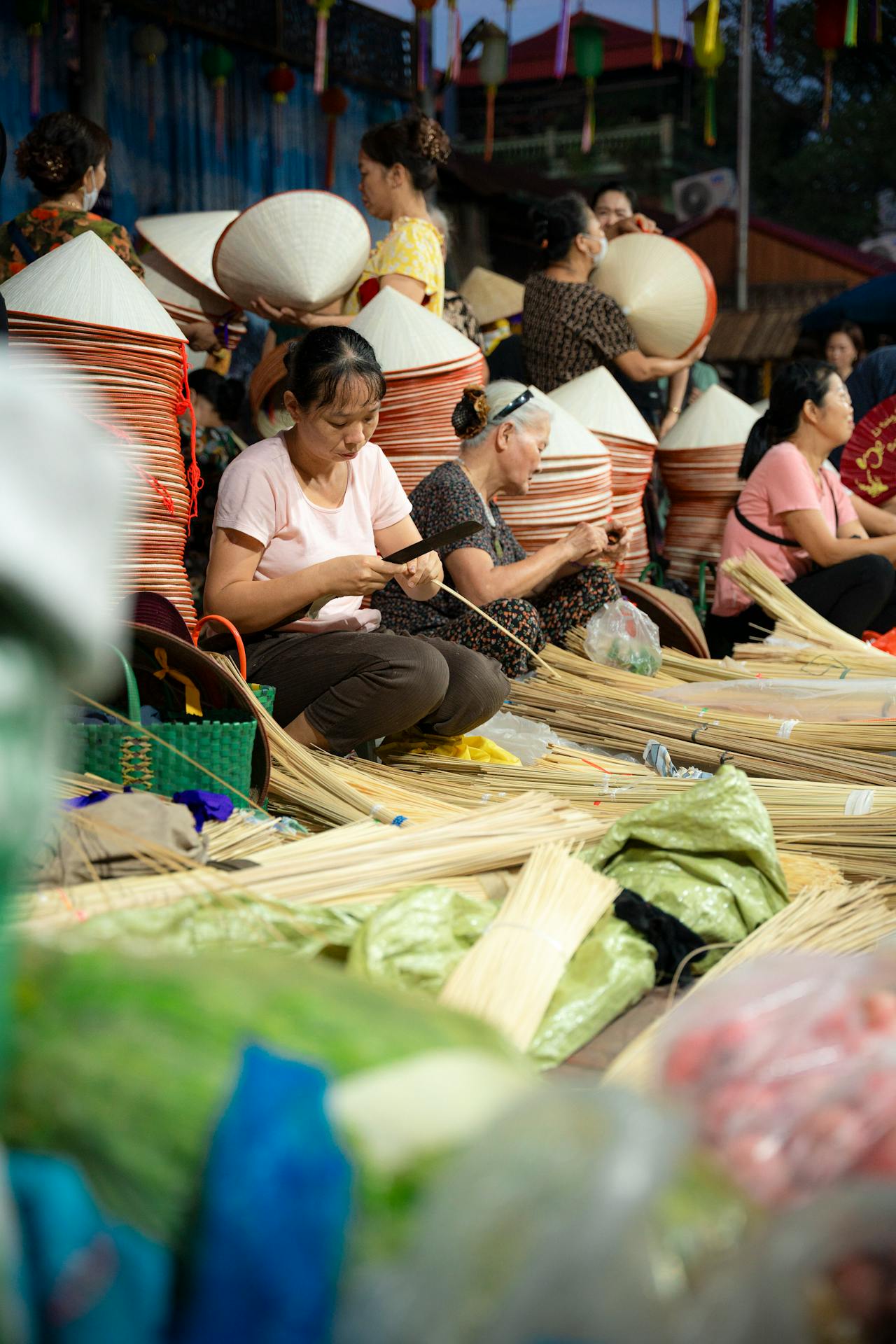
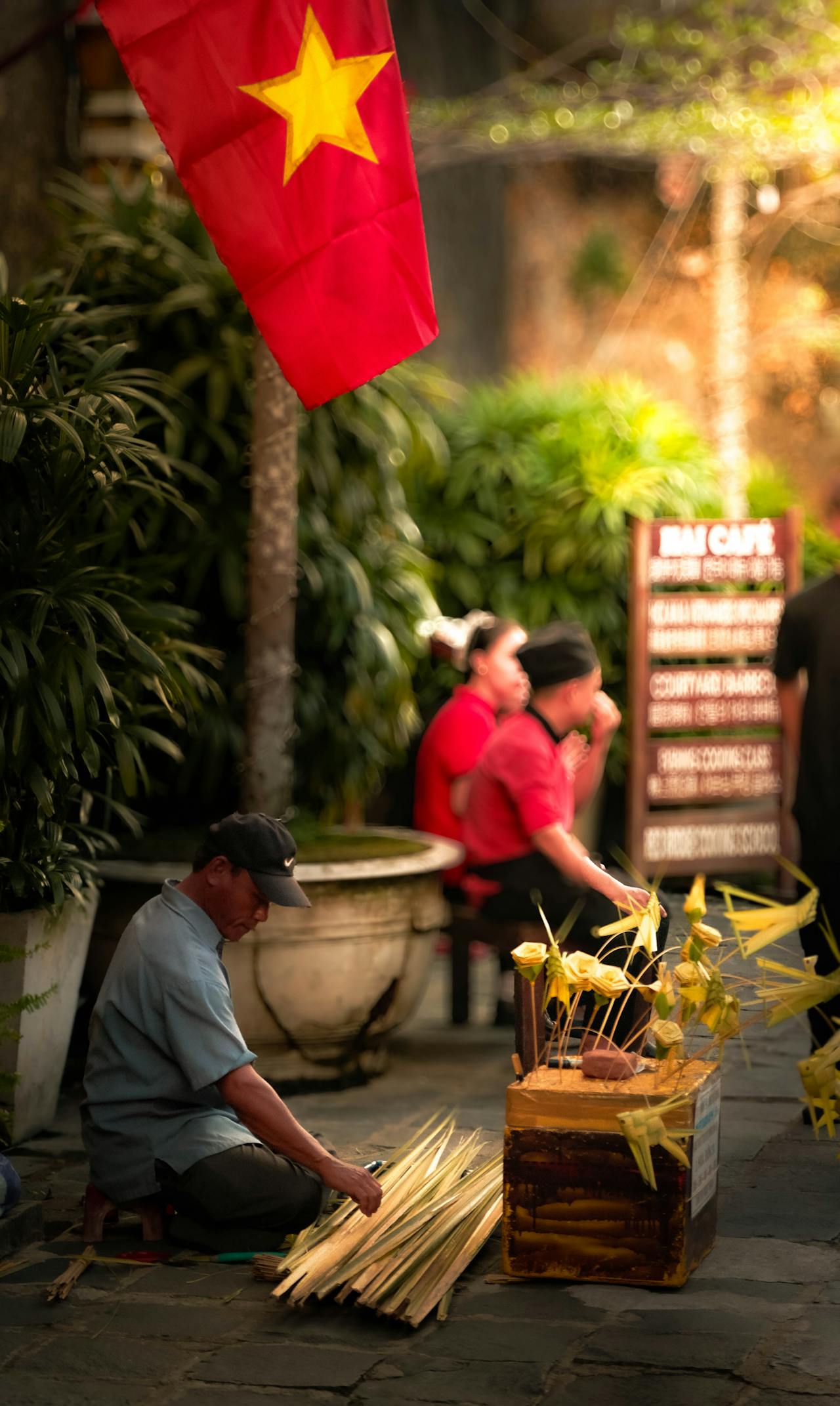
Participants will also be treated to a cultural visit to the Vietnam National Village for Ethnic Culture and Tourism. Nestled in Dong Mo, Son Tay Town, about 40 kilometers west of Hanoi, the Vietnam National Village for Ethnic Culture and Tourism is a vibrant showcase of the country’s rich cultural diversity. Known as the “common home” of Vietnam’s 54 ethnic groups, the village offers visitors a unique opportunity to experience the traditions, architecture, and daily life of communities from across the nation. Each ethnic group is represented through authentic houses, traditional crafts, and cultural performances, creating a living museum that celebrates unity in diversity.
Beyond its cultural villages, the site features scenic landscapes, lakes, and gardens that make it an ideal destination for relaxation and photography. Visitors can participate in festivals, watch folk dances, taste regional cuisine, and even try their hand at traditional craft-making. We hope the visit will give the participants to have the insight of Vietnam culture.